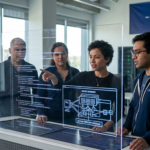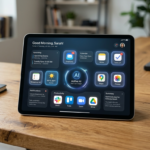



Organizations are placing greater emphasis on employee experience as competition for skilled professionals continues to reshape workplace priorities. Businesses are investing in digital employee experience platforms that integrate communication, collaboration, learning, wellness, and performance management into unified workplace environments.
Business leaders increasingly recognize that employee satisfaction directly influences productivity, innovation, and customer service. Modern experience platforms simplify access to company resources while providing personalized learning opportunities, automated HR services, and collaboration tools that support both office-based and remote employees.
Artificial intelligence is enhancing these platforms through personalized recommendations, intelligent search, automated HR support, and workforce analytics. AI-powered insights help managers identify engagement trends, recommend professional development opportunities, and improve workforce planning through data-driven decision-making.
Organizations are also expanding investments in employee wellbeing technologies. Digital wellness programs, mental health resources, flexible scheduling tools, and recognition platforms are becoming integral components of broader employee experience strategies.
- Advertisement -
Security remains an important consideration as businesses consolidate workplace applications into centralized platforms. Organizations continue strengthening identity management, access controls, and privacy protections to safeguard employee information while enabling seamless collaboration across distributed workforces.
Industry experts expect employee experience technology spending to remain strong throughout 2026 as organizations compete to attract and retain top talent. Companies that invest in digital workplace innovation are likely to improve employee engagement, strengthen organizational culture, and achieve better long-term business performance.