


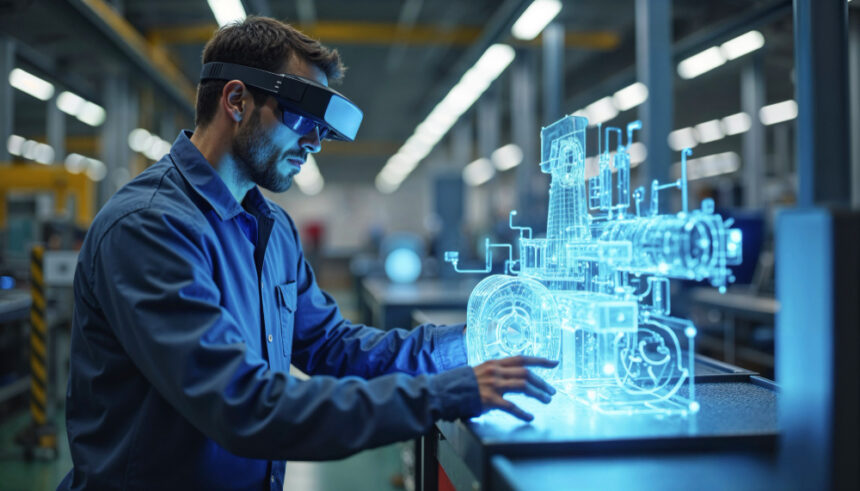
Digital twin technology is finding new applications beyond manufacturing as businesses seek real-time visibility into assets, operations, and customer experiences. A digital twin is a virtual representation of a physical object, system, or process that updates continuously using live data from connected devices.
Organizations in healthcare, logistics, smart cities, and energy are beginning to use digital twins to monitor performance, predict maintenance needs, and improve operational efficiency. Hospitals are evaluating digital models of medical equipment, while logistics providers are simulating warehouse operations to reduce bottlenecks.
The growing adoption of IoT sensors, AI, and cloud computing has made digital twins more practical and cost-effective. Businesses can now test scenarios virtually before making changes in the real world, reducing risk and minimizing downtime.
Industry experts believe digital twins will become an increasingly valuable tool for organizations pursuing digital transformation initiatives. As the technology matures, companies are expected to integrate digital twins into broader analytics and automation strategies to support faster, data-driven decision-making.