


“Beyond the Assembly Line: How Physical AI Is Redefining Human-Machine Collaboration in Manufacturing”
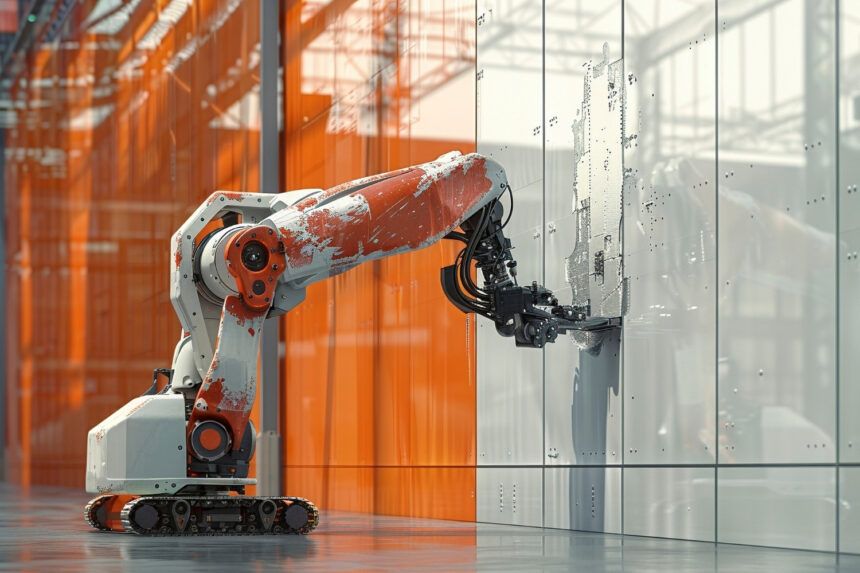
The image of factory robots — fixed, caged, doing a single welding motion at high speed — is rapidly becoming obsolete. A new generation of collaborative robots (cobots) and humanoid robots is emerging that can share workspace with humans, adapt to variable tasks, and operate in the unstructured, dynamic environments that traditional industrial robots could never handle. This is physical AI: intelligence embedded in machines that interact with the physical world.
Cobots — smaller, force-limited robots designed to work safely alongside humans — have already seen significant penetration in electronics assembly, packaging, and light manufacturing. The cobot market is growing at over 30% annually, driven by falling hardware costs and increasingly intuitive programming interfaces that allow non-engineers to deploy robotic automation without specialized robotics expertise.
“The cobot doesn’t replace the worker — it replaces the part of the job that was slowly breaking the worker’s body.”
- Advertisement -
Humanoid robots represent a more transformative — and more speculative — horizon. Companies like Figure AI, Apptronik, Agility Robotics, and Tesla’s Optimus program are racing to build general-purpose humanoid platforms capable of performing diverse manual tasks in factory environments designed for humans. The promise is enormous: a robot that can unbox components, carry materials across a facility, and assist with assembly — all in the same shift — without requiring extensive retooling of the physical environment.
The safety and regulatory landscape is evolving in parallel. Standards bodies (ISO, ANSI) are updating cobot safety certification frameworks, and regulatory guidance on humanoid operation in manufacturing settings is beginning to take shape. Manufacturers piloting humanoid systems are partnering closely with OEMs on site-specific safety protocols, data governance for machine vision systems, and liability frameworks for human-robot incidents.
For manufacturers, the strategic calculus around robotics has shifted from “can we automate this?” to “which physical AI platform is the right long-term bet?” The companies that build internal robotics competency now — integrating, programming, maintaining, and optimizing collaborative systems — will be positioned to absorb increasingly sophisticated platforms as they mature over the next five years.
⚡ How LeadCrafters Helps
B2B Lead Generation for Robotics, Cobot & Industrial Automation Vendors
LeadCrafters drives qualified pipeline for robotics OEMs, cobot distributors, robot systems integrators, and industrial automation consultancies targeting manufacturing buyers at the plant and enterprise level.
- Appointment Setting: Outbound campaigns to Plant Managers, Manufacturing Engineering Directors, and Automation VPs at target accounts — focused on booking product demos and discovery calls.
- Vertical Case Study Content: Sector-specific content for automotive, electronics, food & beverage, and pharma manufacturing — each tailored to the unique automation challenges and ROI drivers of that vertical.
- Video & Social Content: We create short-form video scripts and LinkedIn content showcasing your cobot or humanoid solution in real manufacturing environments, driving engagement with technical buyers.
- Channel Partner Demand Gen: If you sell through distribution or SI partners, we create co-branded content and lead programs that activate your channel at the regional and vertical level.